5 Simple Secrets to Creating the Perfect Cozy Japandi Living Room
We all long for a home that serves as an island of calm in our busy everyday lives. If you love clean lines but are looking for warmth and comfort instead of cold minimalism, the Japandi style is your world.
This aesthetic, which is currently one of Pinterest’s biggest favorites, was born from the fusion of the elegant, functional simplicity of Japanese design and inviting Scandinavian coziness (the well-known hygge).
But how can you achieve this soothing, cozy vibe without completely remodeling your apartment? Here are 5 simple and cost-effective steps to turn your living room into a magazine-worthy, aesthetic space.
1. Start with a warm, neutral color palette
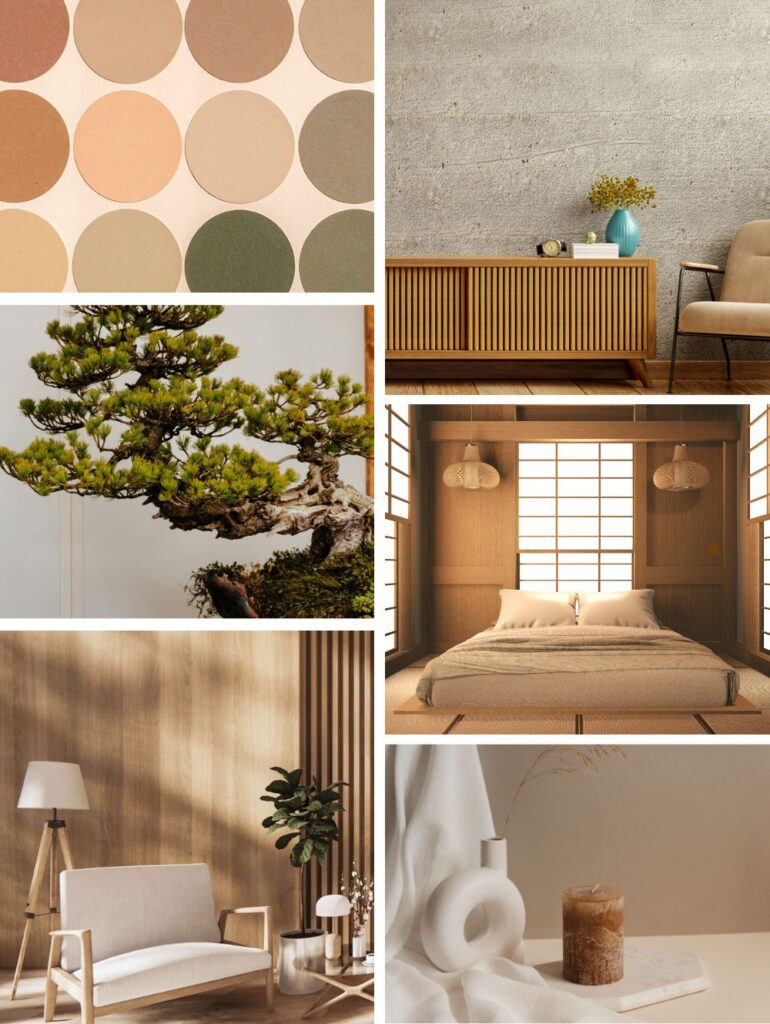
While classic Scandinavian design often uses sharp whites and cool grays, traditional Japanese spaces prefer darker earth tones. Japandi is the perfect meeting of the two.
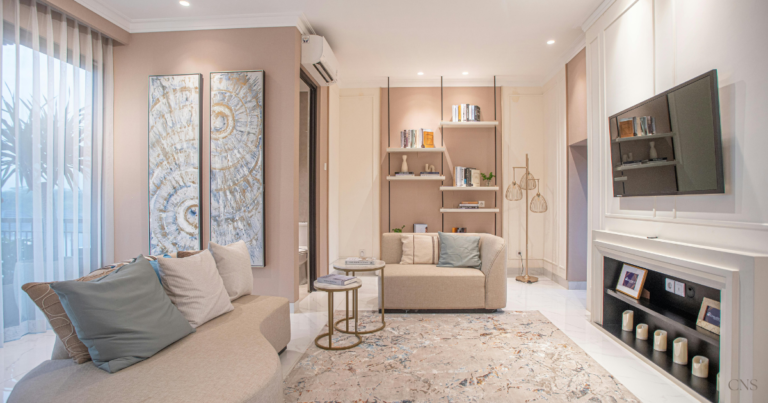
Instead of stark snow white, choose colors with warm undertones for your walls and larger furniture pieces:
- Cream and beige
- Pale oatmeal and sand
- Soft earth tones, like terracotta or muted olive green (as accents)
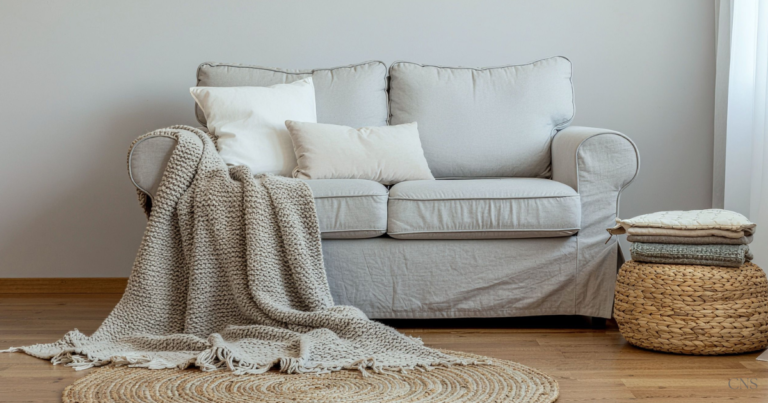
Pro Decor Tip: If you live in a rental or don’t want to repaint the walls, bring in warmth with a large, textured beige rug and natural linen curtains.

2. The key is layering textures (The “Cozy” Factor)
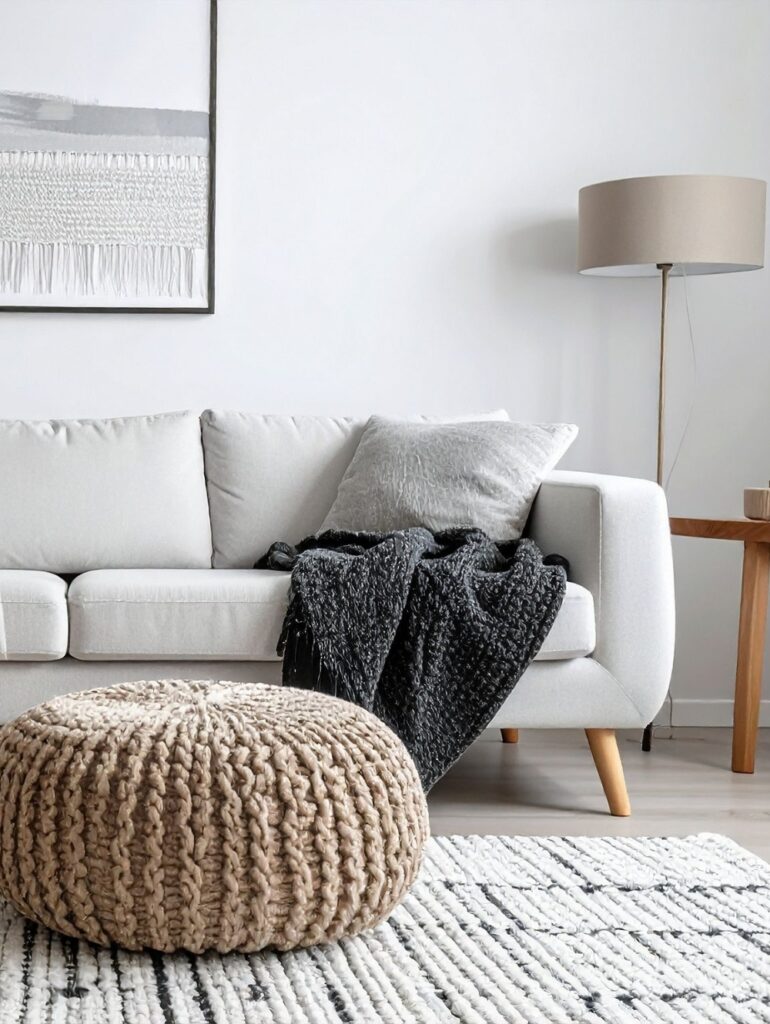
Since Japandi spaces have few pieces of furniture and minimal unnecessary decor, you need to achieve visual interest by mixing different textures. This is what makes a room look aesthetic and inviting, instead of feeling empty.
Invest in materials that are pleasant to the touch. Feel free to layer:
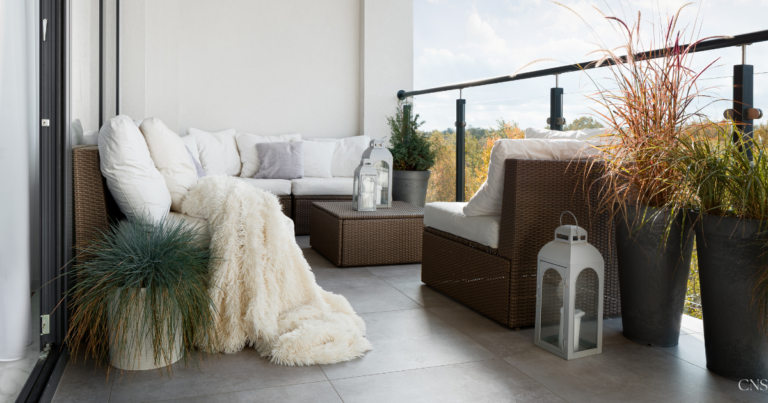
- A thick, chunky knit blanket over the armrest of the sofa.
- Ribbed cotton or linen throw pillows.
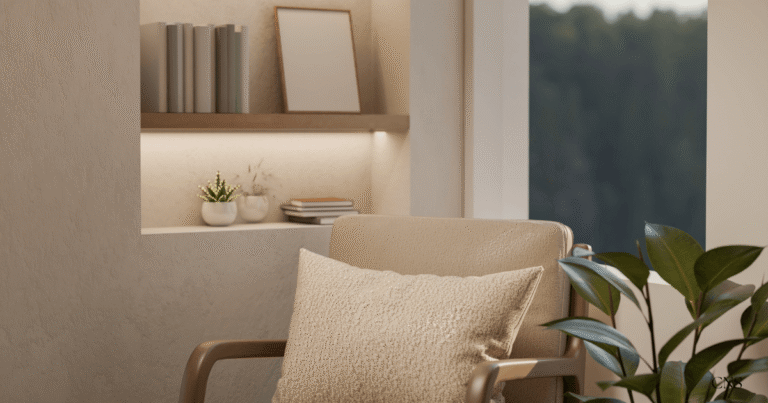
- Bouclé (sheepskin-effect) poufs or armchairs.
The richness of textures instantly breaks the coldness of minimalism and creates an immediate cozy atmosphere.
3. Choose low-profile, natural wood furniture
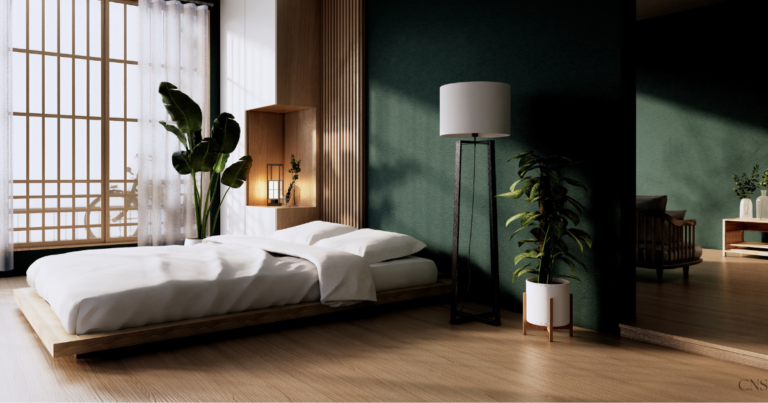
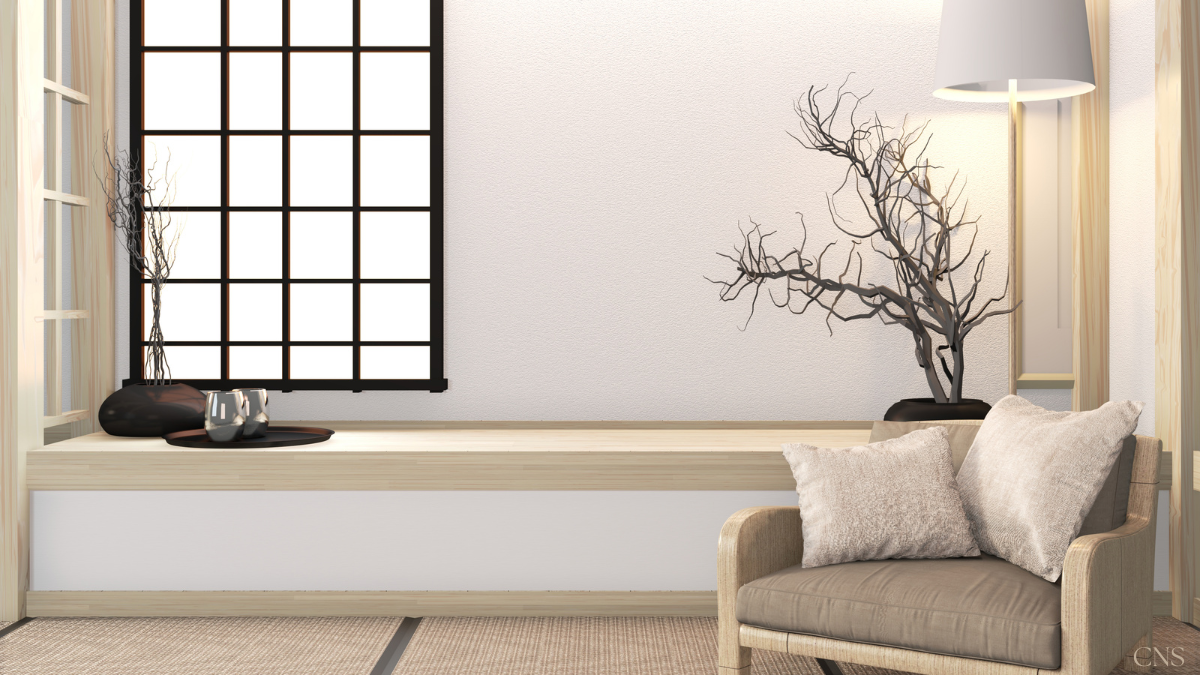
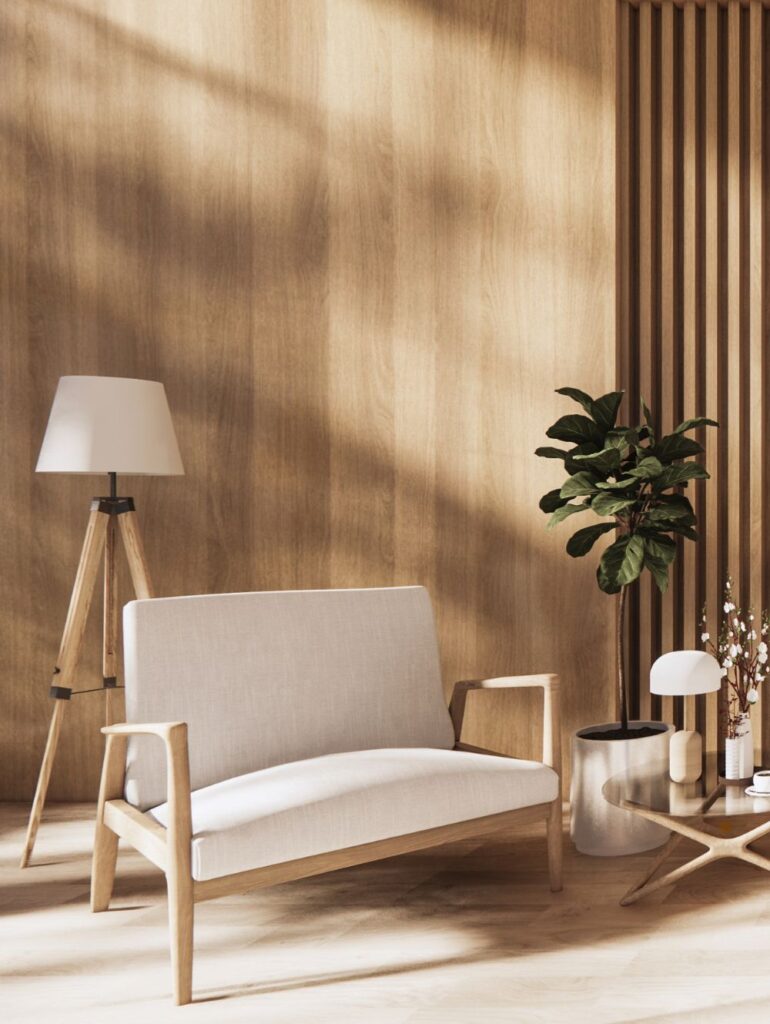
One of the core principles of Japanese interior design is closeness to the earth. Low-profile furniture expands the space, which is especially beneficial when the task is small-space decor, as it allows more light to flow into the room.
Look for pieces with clean lines made from organic materials. Light oak, ash, and bamboo are perfect Scandinavian bases, while darker walnut brings in Japanese elegance. Don’t be afraid to mix light and dark wood types; this is exactly what makes the space feel natural!

4. Let nature in (Wabi-Sabi decoration)
Japandi is closely linked to nature and the wabi-sabi philosophy, which celebrates the beauty found in imperfection. Forget the mass-produced plastic decorations from department stores.
Instead, decorate with fewer but more characterful accessories:
- An asymmetrical, handmade ceramic vase.
- A few stems of dried pampas grass, eucalyptus, or a branch from a green plant.
- A large Bonsai or a Monstera planted in a minimalist pot in the corner.
Less is more: It’s better to have a single stunning focal point on your coffee table than five tiny trinkets on the shelf.

5. Soft and warm lighting for aesthetic evenings
The secret to the most popular aesthetic rooms photos on Pinterest almost always lies in the lighting. The overhead light (the “big light”) kills the mood.
For a cozy Japandi atmosphere, create small “islands of light”:
- Use rice paper lamps (in the style of the iconic Japanese Akari lamps) – these scatter light beautifully and softly.
- Place a minimalist floor lamp next to the sofa in your favorite reading nook.
- Light a few natural soy wax candles in amber glass jars in the evenings.
The harmony of comfort and order
Japandi is not a rigid set of rules, but a way of life. It is about getting rid of unnecessary clutter to make room for what truly provides peace and comfort. Start by swapping out textures, introduce warmer lights, and watch your living room transform into an island of peace.
Which is your favorite element of the Japandi style? Let us know down in the comments!